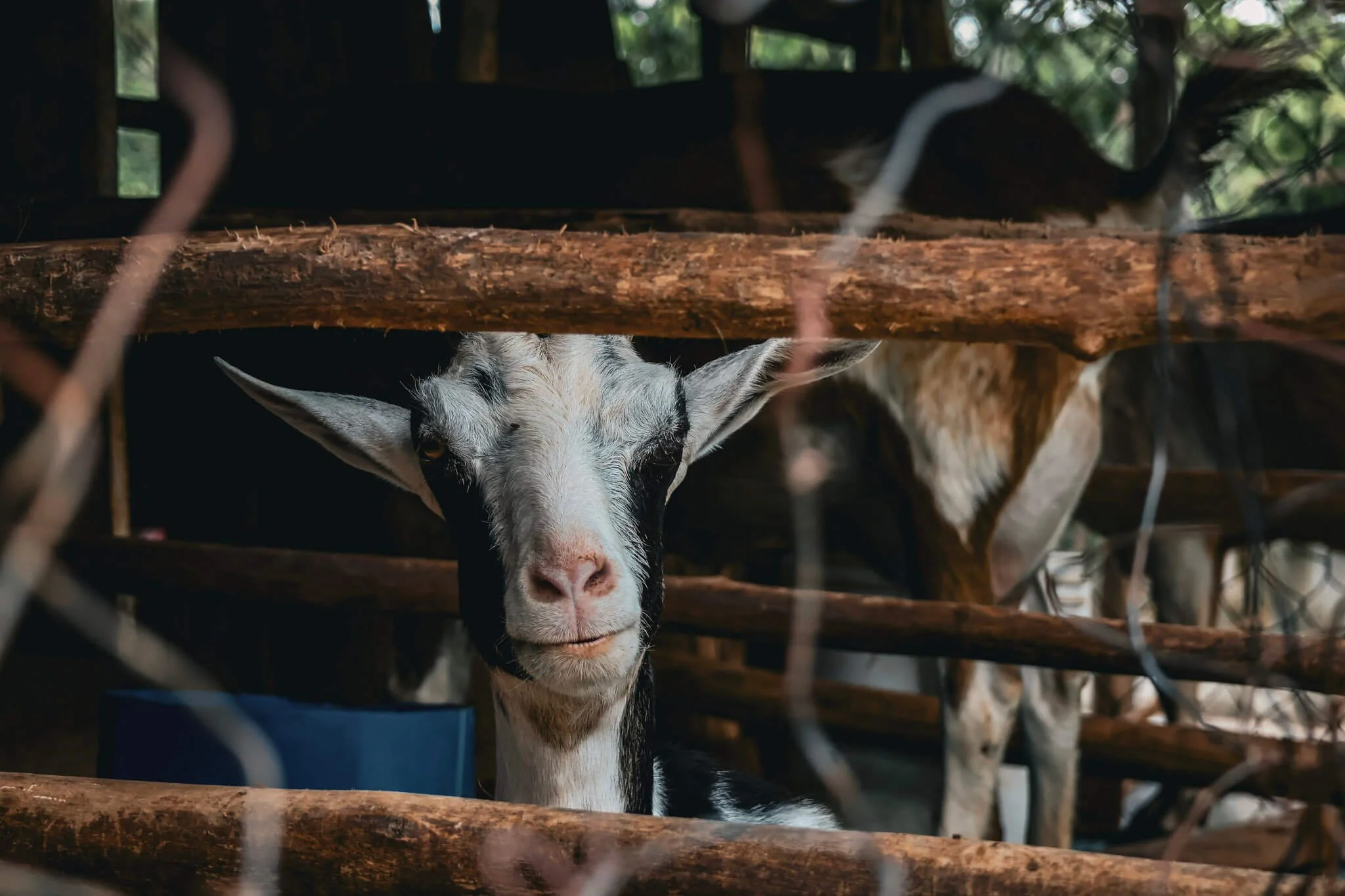
Finca Caprinamá: Goats, Community, and Purpose in the Mountains of Capira
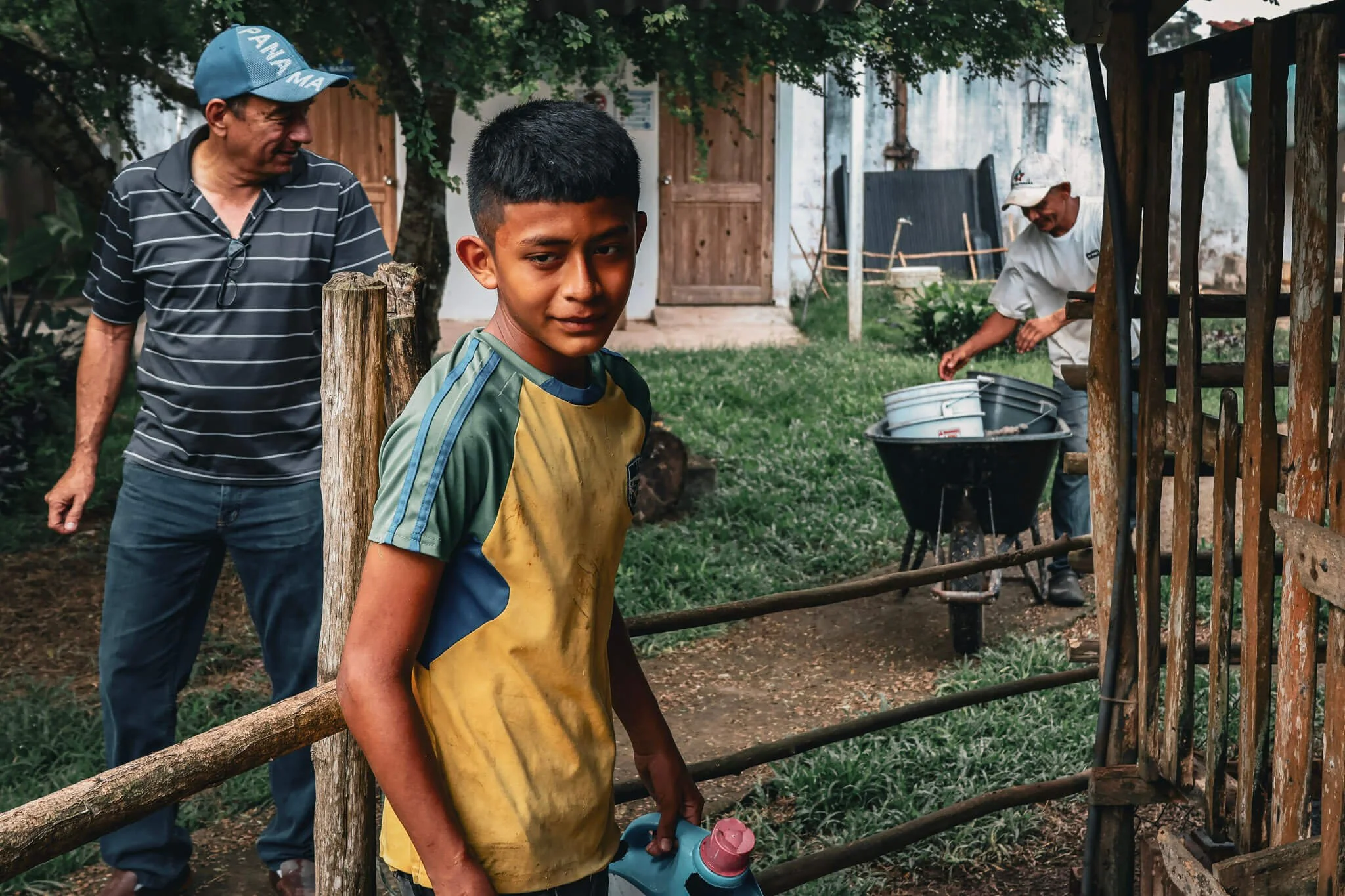
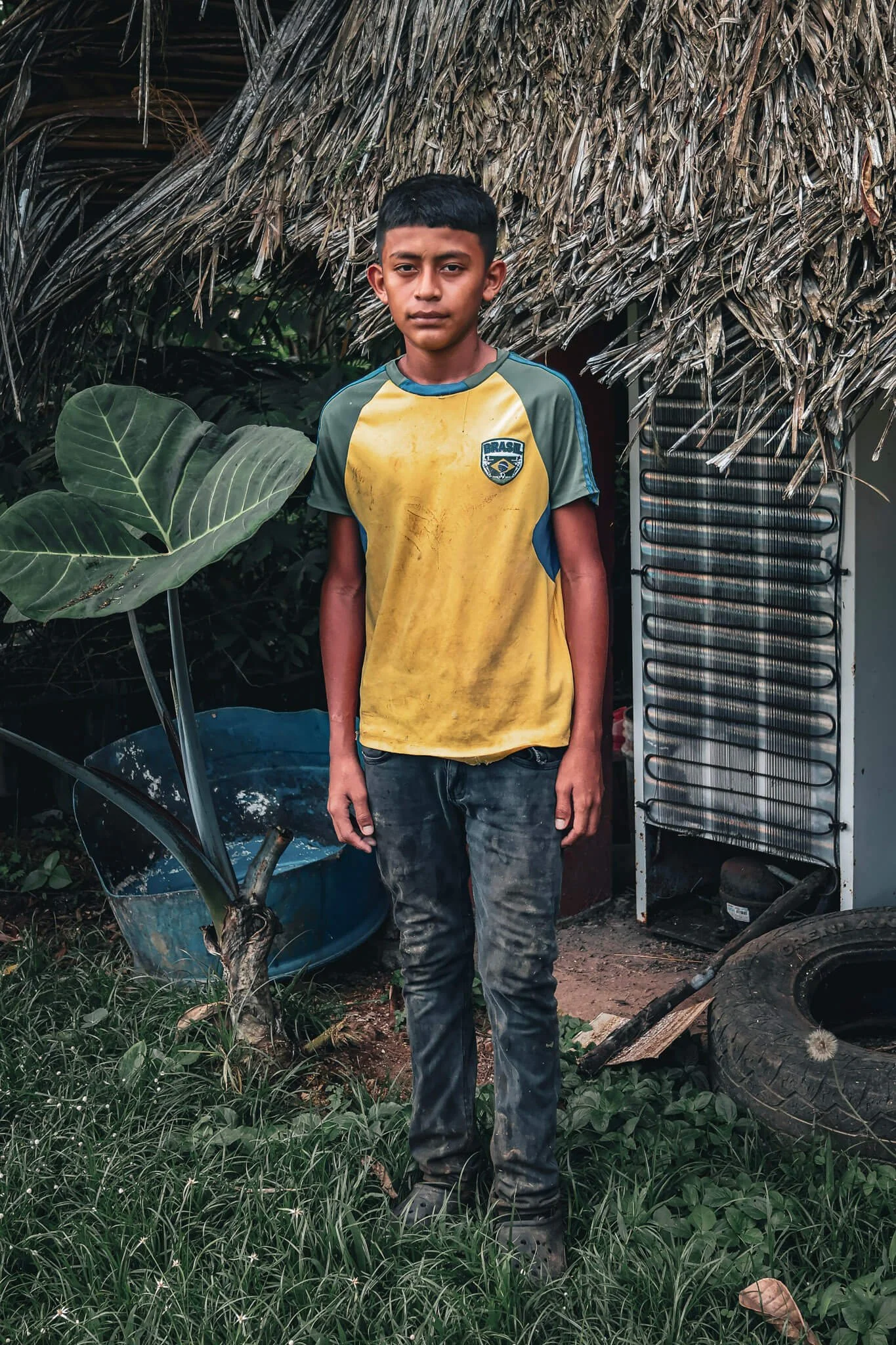
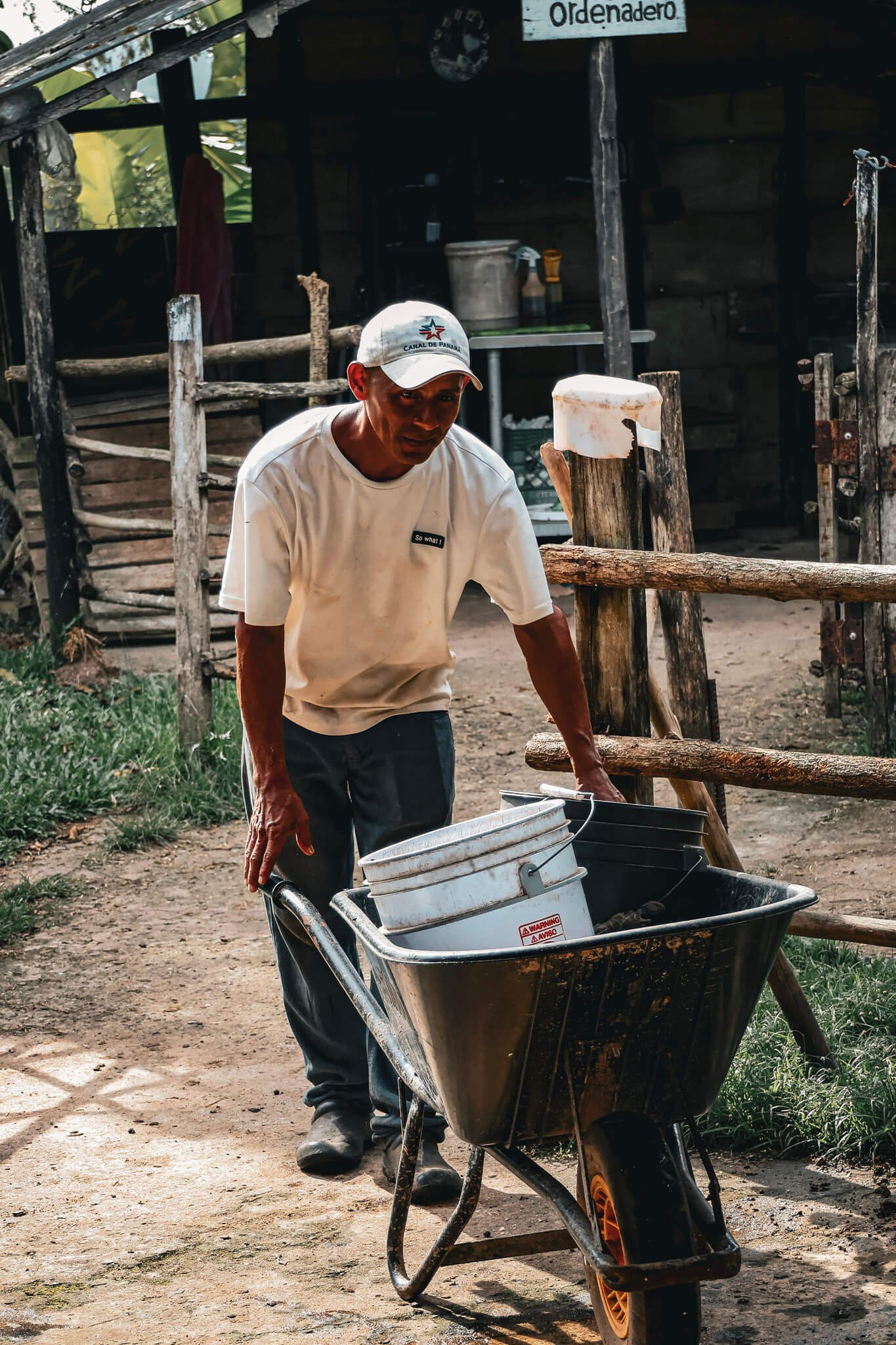
From left to right: John Ocampo (farm owner), Felix Martinez, alias Junito (son), and Felix Martinez, alias Ligio (father).
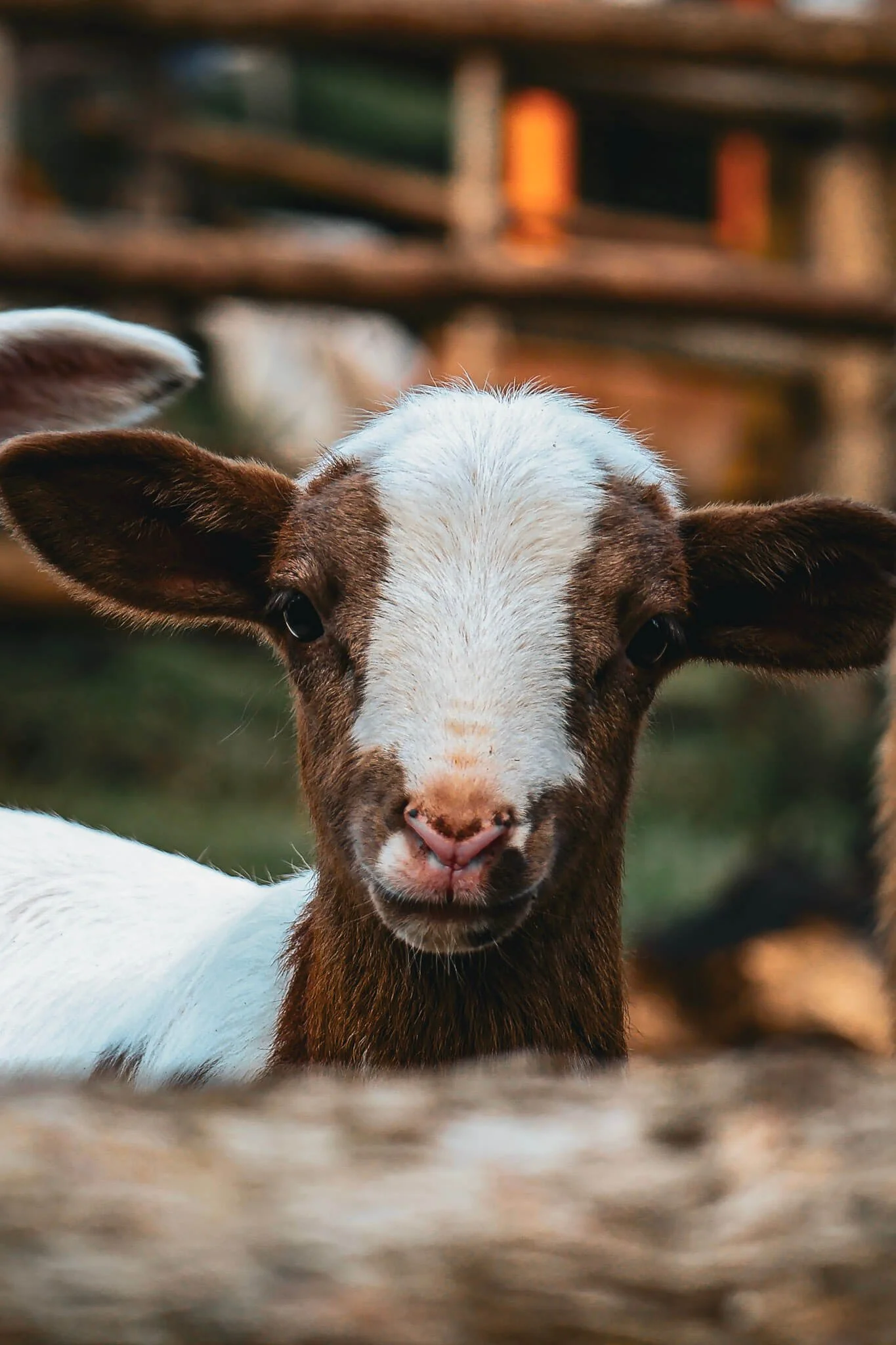
What began as a personal search for healthier food eventually became a goat farm, an educational project, and a meeting point for a community. During my visit to Finca Caprinamá, I discovered that behind the milk, yogurt, and cheese lies something even more interesting: a project where purpose and values guide the decisions made every day.
Reading time: 9–10 minutes
I arrived at Finca Caprinamá wanting to understand how a goat farm works.
I left thinking about purpose.
That shift happened gradually throughout the morning, between conversations with John, walking around the property, meeting the goats, learning about dairy production, and seeing how the farm interacts with the surrounding community.
By the end of the visit, I realized that the most interesting part of Caprinamá was not necessarily what they produce, but the reasoning behind how they have chosen to build the project.
This visit was part of my Miscellaneous Projects, a personal series through which I approach farmers, artisans, makers, families, and other people to better understand what they do and why they do it. Photography gives me a reason to get closer, observe, ask questions, and document what I find.
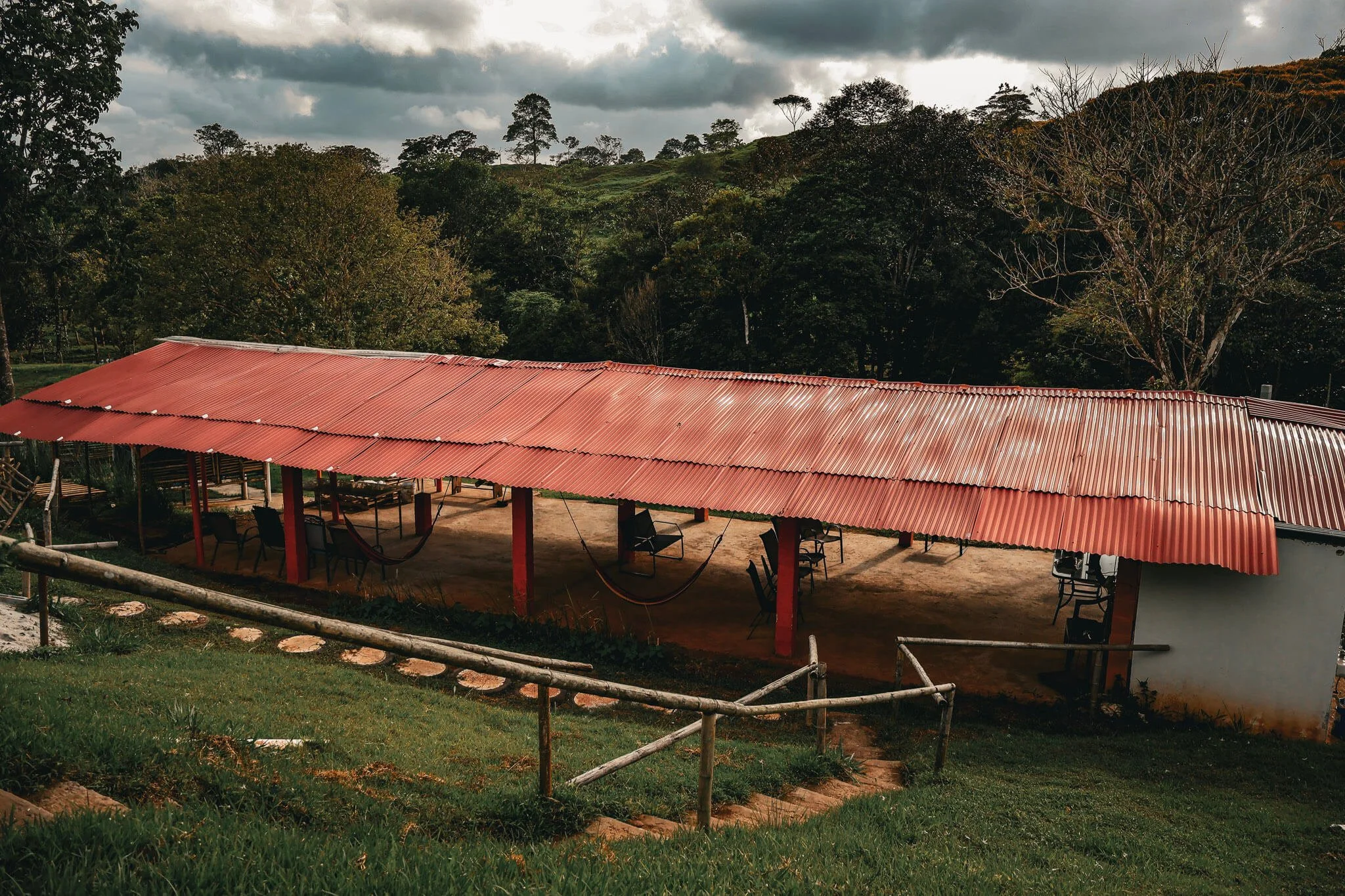
This time, it brought me to La Bonga Centro, in Cirí Grande, Capira, less than two hours from Panama City.
A project that began with a personal need
John's relationship with goat milk did not begin as a business idea.
After dealing with Helicobacter pylori, he began researching probiotics, yogurt, and different foods that could become part of his diet. That search eventually led him to goat milk.
What started as curiosity gradually became something much bigger.
John is a systems engineer and spent around fifteen years working as a mariner. Farming came later. He has been developing the property for close to two decades, while the goat project began roughly ten years ago.
Much of what he knows today came through experience.
He researched, watched videos, visited farms in Colombia and the United States, asked questions, made mistakes, and continued learning. During our conversation, he jokingly referred to two of his early teachers as “Uncle Google” and “Engineer YouTube.”
There was something about that phrase that stayed with me.
Not because learning from the internet is unusual, but because it reflected his willingness to start without waiting to become an expert first.
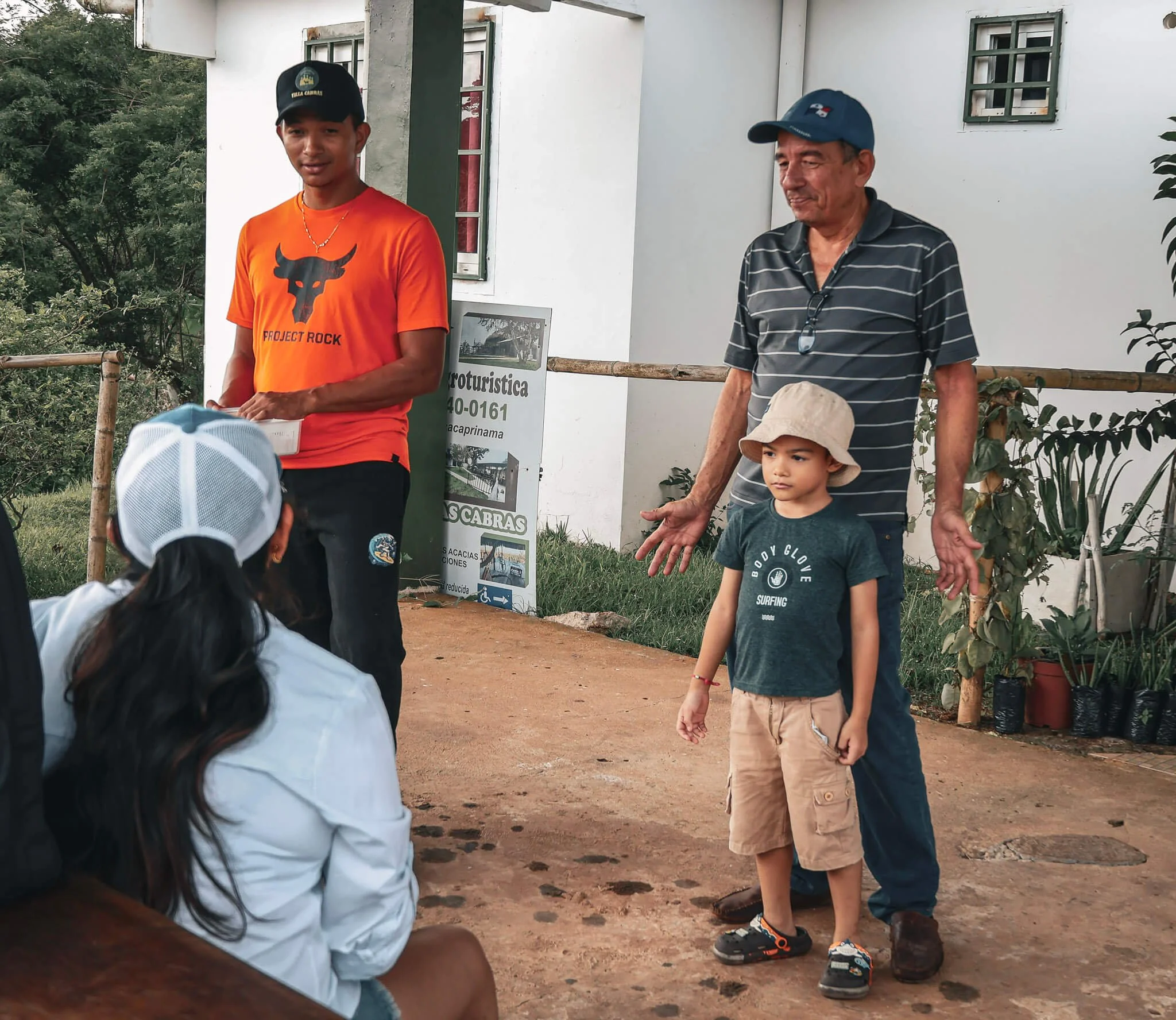
From left to right: Jesus Ocampo (son), Alexis (grandson), and John Ocampo (grandfather) talking with a family visiting the farm.
From goats to cheese
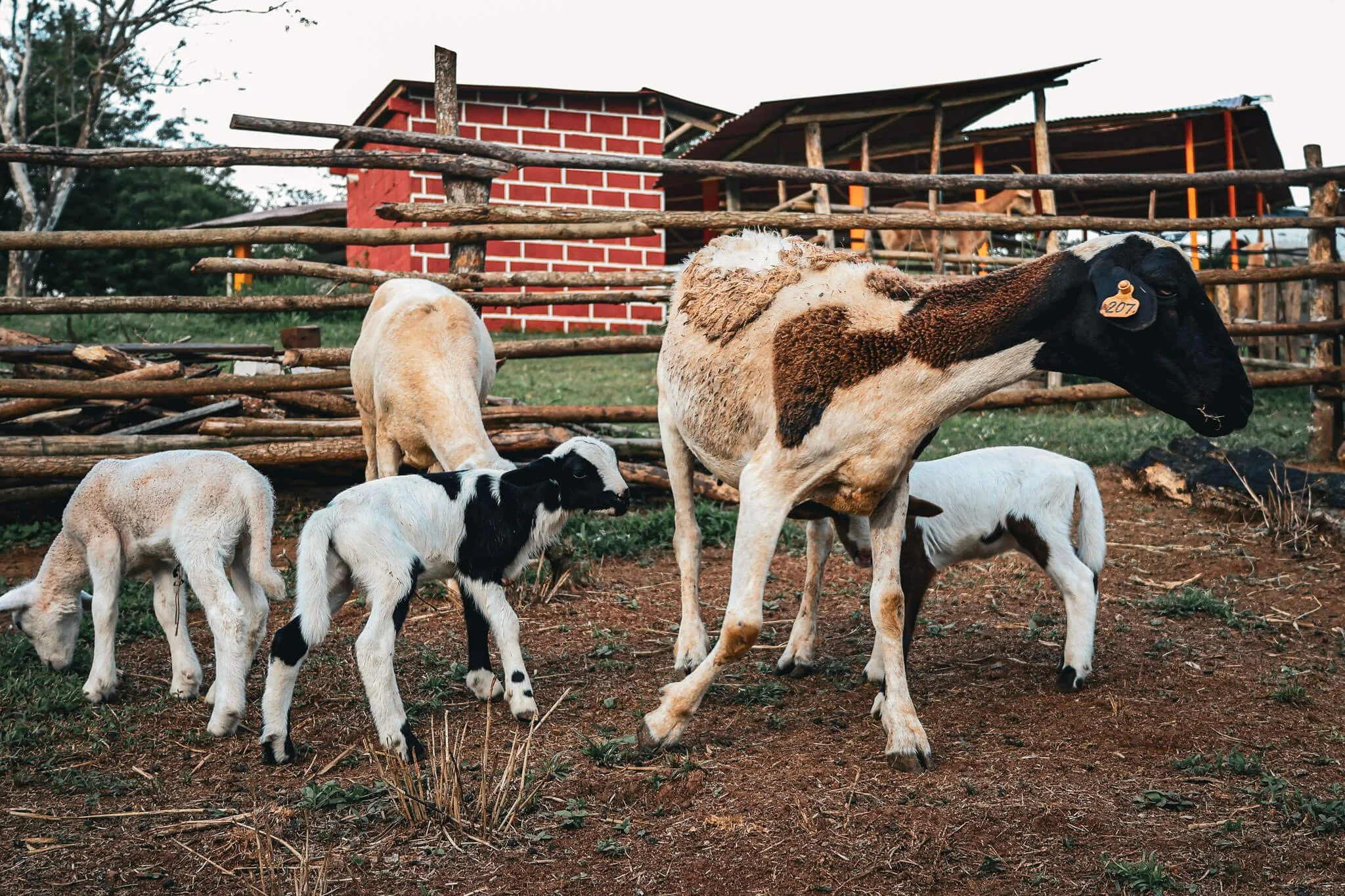
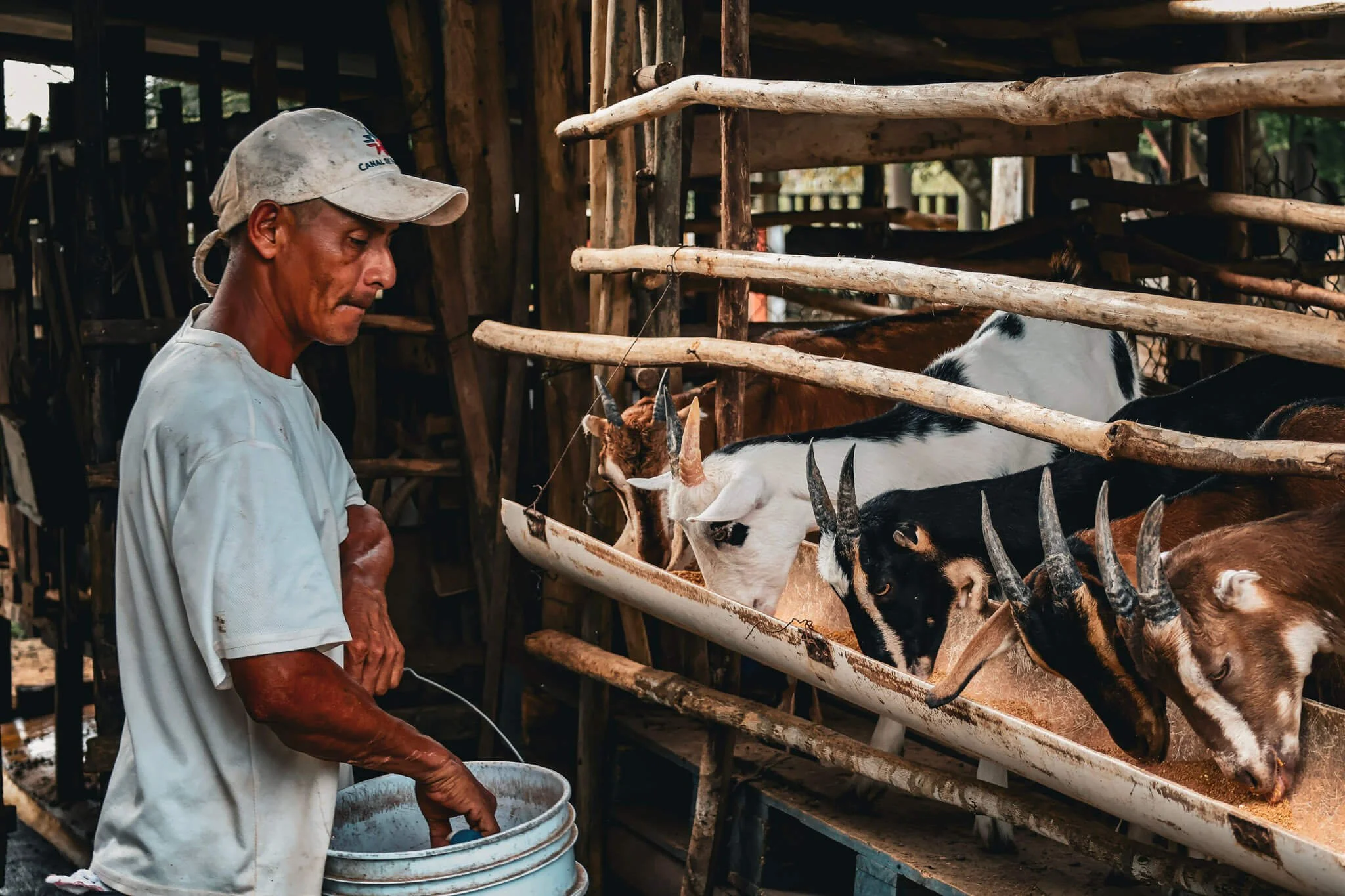
As we walked around the farm, John explained how the project evolved from raising goats to processing their milk and experimenting with different dairy products.
Today, Caprinamá produces milk, yogurt, kefir, and several types of cheese, including Camembert, halloumi, cheddar, mozzarella, Oaxaca, and their Don José cheese, named after John's grandfather, José María.
Their approach is intentionally small-scale.
Rather than focusing on supermarkets, the farm prioritizes direct sales and a closer relationship with customers. According to John, this allows them to maintain greater control over a perishable product and stay consistent with the way they want to produce their food.
That consistency between what a project says it values and the decisions it makes became one of the recurring themes of my visit.
The farm as a classroom
Caprinamá did not originally set out to become an agritourism destination.
People simply started asking if they could visit the goats.
Over time, those visits became more structured, and the farm eventually became certified under the joint agritourism program of Panama's Ministry of Agricultural Development (MIDA) and the Panama Tourism Authority (ATP).
What began as curiosity from visitors became another way to share what John and his family had learned.
A visit can include meeting the goats, learning about milking and dairy production, understanding the farm's processes, tasting products, and having conversations about agriculture and food.
But education at Caprinamá goes beyond visitors.
John also spoke about the importance of sharing knowledge with other producers. He remembers how difficult it was to find information when he started, and that experience influenced his decision to offer workshops and help others avoid having to learn everything alone.
There is a simple idea behind it: if knowledge helped him move forward, there is little reason to keep it to himself.
Community as part of the model
One of the things that interested me most was how often the word community appeared in our conversation.
Not as an abstract value, but as part of how the farm operates.
Caprinamá works with people from the surrounding area, particularly when larger groups or activities require additional support. The project has also looked for ways to create opportunities for nearby producers and artisans.
John explained it through an image that was difficult to forget.
He said a project should not arrive in a community like an oil well: extracting value from a place and leaving little behind.
Instead, he prefers to think about the goat.
It eats from the land, but it also fertilizes it.
That analogy probably explains Caprinamá better than any formal statement about social responsibility could.
The farm needs the community, but it should also leave something valuable within it.
Agrofest and creating space for others
That philosophy eventually led to initiatives such as Agrofest, an effort to bring together local producers, artisans, food, and visitors in the same place.
The idea was not simply to attract more people to Caprinamá. It was to create a space where other members of the community could also participate and sell what they produce.
It was another example of something I kept noticing throughout the visit: growth was rarely described as an individual objective.
The farm can grow, but ideally the people around it should find opportunities to grow as well.
Making rural tourism more accessible
Another detail caught my attention as we walked around the property.
The farm has incorporated ramps and accessible facilities so that people with reduced mobility can also participate in the experience.
It would be easy to see these as purely infrastructural decisions. But within the context of everything John had been explaining, they felt connected to the same principle: if the purpose is to share the farm, then the experience should be available to as many people as possible.
That coherence between an idea and the small decisions required to make it real was probably what interested me most about Caprinamá.
Learning to work with what you have
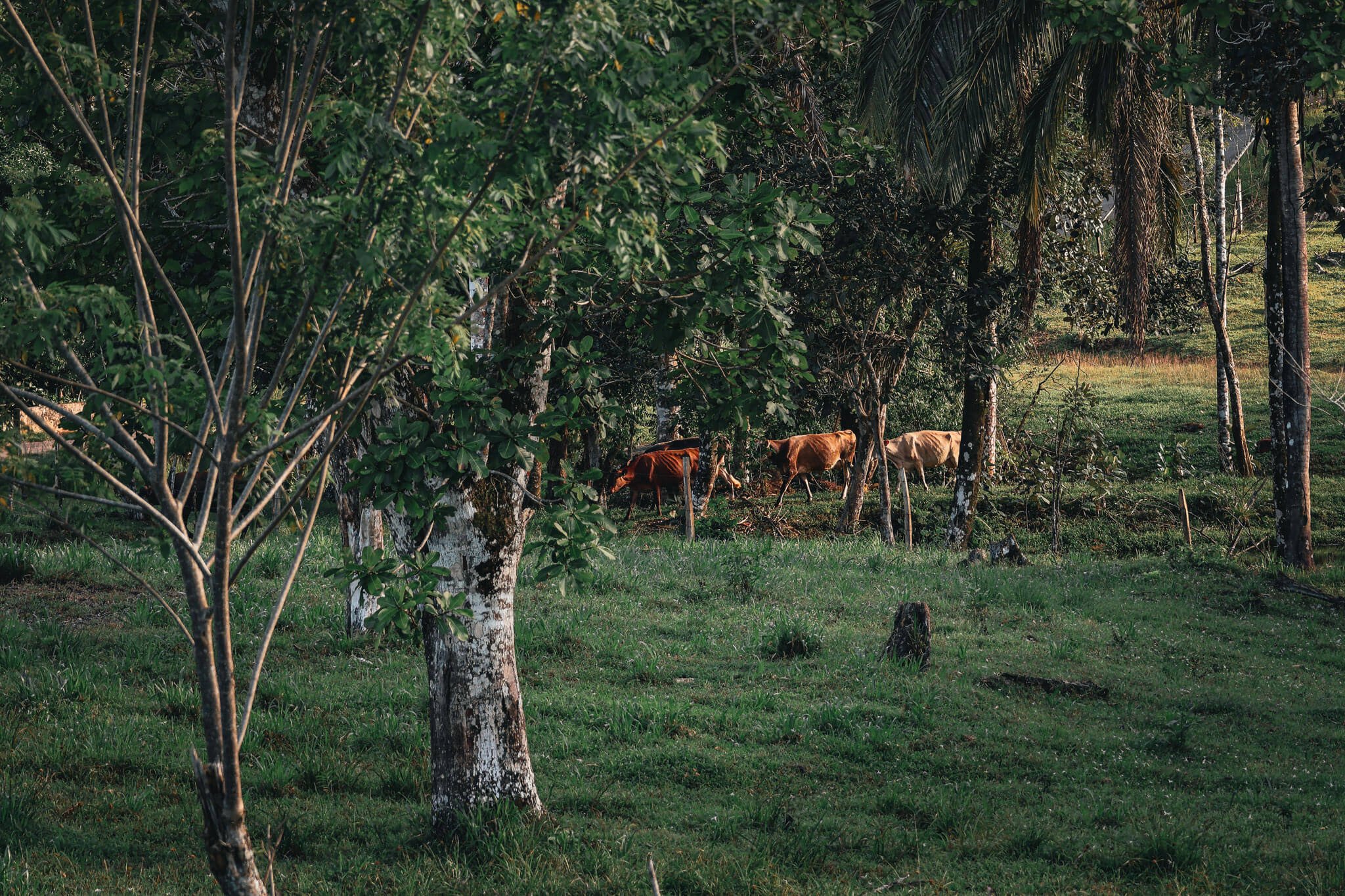
The property covers several hectares, although only part of the land is actively used.
There is also an area around the natural spring that the family has chosen to protect. Water from the property is used on the farm, and a solar-powered pump is part of the system. John also explained how they have incorporated solar and wind energy into their operation.
Again, I did not get the impression that the objective was to build a perfect model of sustainability.
It felt much more practical than that: understand the resources available, use them carefully, and make decisions that allow the project to continue over time.
Purpose as a filter for decisions
Throughout the visit, I kept returning to the same thought.
We often talk about purpose and values as things that belong in presentations, websites, or strategic plans. They are easy to define when they remain words.
The difficult part is using them to make decisions.
At Caprinamá, I could see those ideas reflected in very practical questions: How should we produce? Where should we sell? Who should benefit from visitors coming to the farm? What knowledge should we share? What parts of the property should we protect? Who should be able to participate in the experience?
John has a simple way of explaining his relationship with the farm:
God owns it. He is simply its administrator.
Regardless of one's beliefs, that idea says a great deal about how he approaches the project. The land is not simply something to exploit. It is something he feels responsible for managing and eventually leaving in better condition.
What this visit left with me
I arrived wanting to photograph goats and learn how cheese was made.
I left thinking about how much easier it becomes to make decisions when you are clear about the principles behind them.
Caprinamá is still a developing project. Like any small business, it has challenges, limitations, and things it wants to improve. Perhaps that is precisely what made the visit interesting to me.
There was no attempt to present a perfect operation.
Instead, I found people who had learned by doing, who continue experimenting, and who have built a project around a relatively clear understanding of what they want it to contribute.
Three ideas stayed with me: have clear values, build with your community, and don't wait until you know everything before you begin.
Sometimes moving forward is also a way of learning.
Information for your visit
Location: La Bonga Centro, Cirí Grande, Capira, Panama Oeste, Panama. (Google Maps)
Finca Caprinamá is less than two hours from Panama City. The route enters through El Espino and continues toward the mountains of Capira.
During a visit, you can learn about the goats, milking and dairy production, taste some of the products made on the farm, and hear directly from the people behind the project.
Reservations: Contact the farm in advance to coordinate your visit.
Instagram: @fincacaprinama